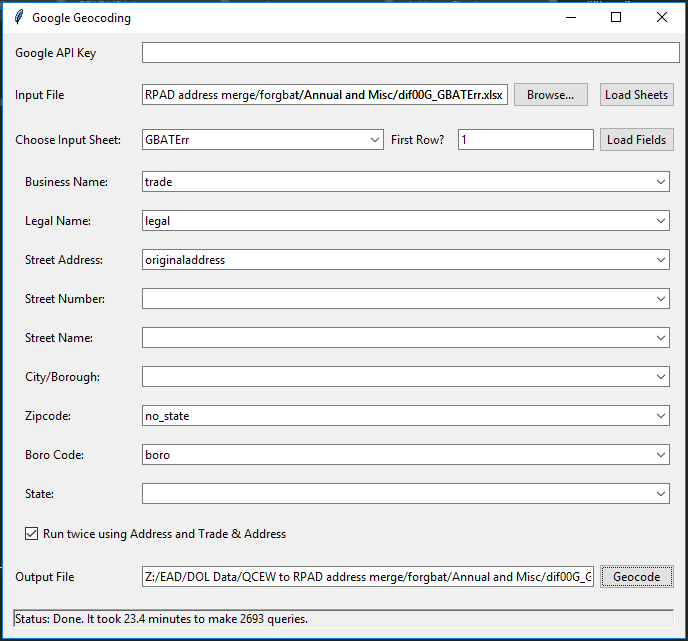
Google Maps Geocoding GUI
Google Maps Geocoding GUI
Applied scientist and AI systems engineer with a Ph.D. from UIUC. Currently Senior AI Engineer at Doctronic, engineering closed-loop self-learning feedback engines (`#md-ai-feedback`), the NoHarm / MAST clinical safety programme (lifting F1 to 0.901, surpassing published SOTA leaderboards), and MedKG probabilistic factor graphs with NumPyro. Founder of UtterX and former Applied Scientist at AWS AI Labs co-leading enterprise customization for Amazon CodeWhisperer from inception to GA.
Closed-loop self-learning feedback engines, MedKG factor graphs, clinical safety programmes, autonomous agentic runtimes, and enterprise post-training recipes.
Google Maps Geocoding GUI
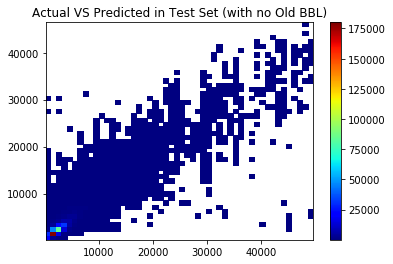
Random Forest Regression to Impute Missing Values

Worth the Cost? An Examination of the Commercial Revitalization & Commercial Expansion Programs
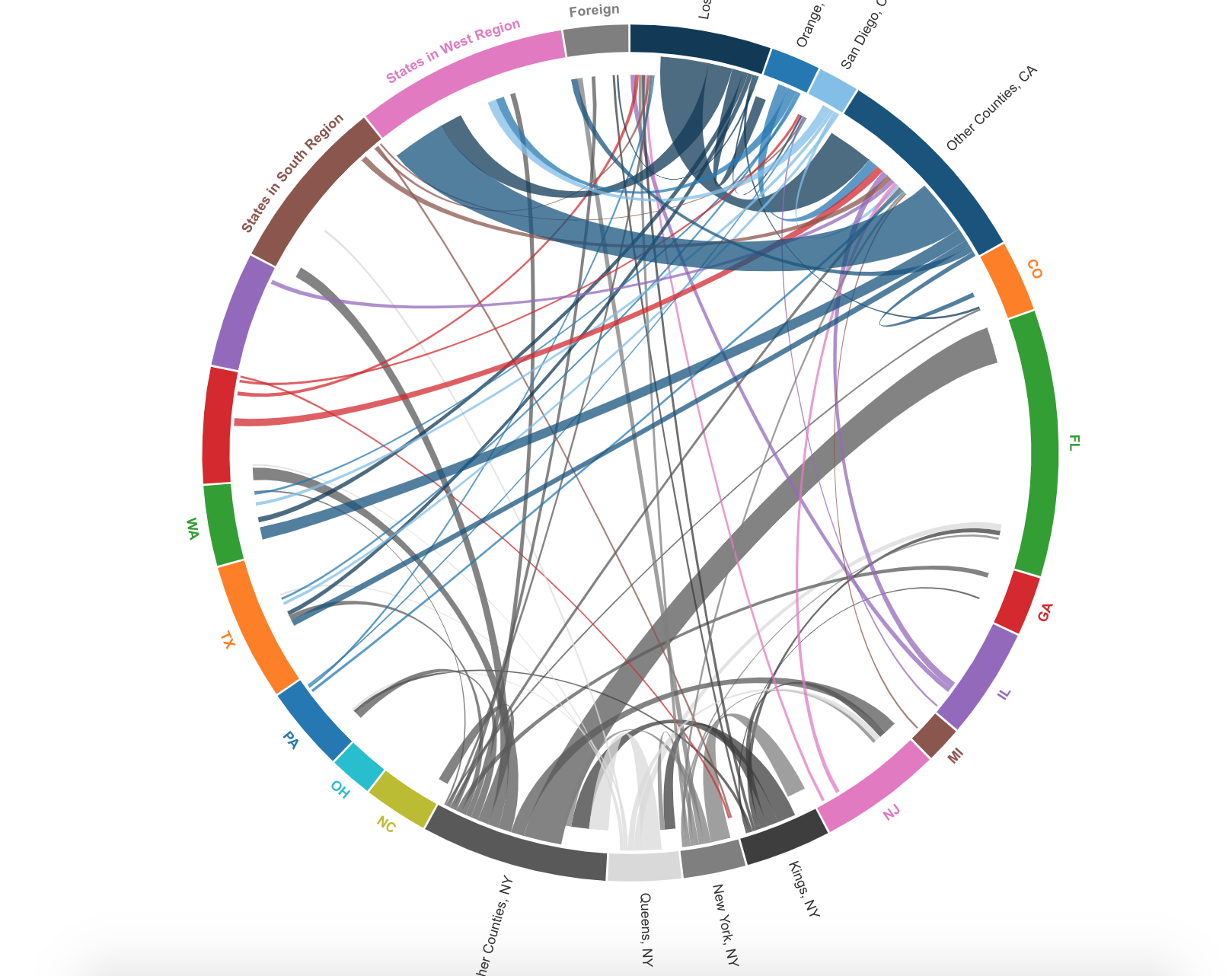
Visualizing State/County Migration
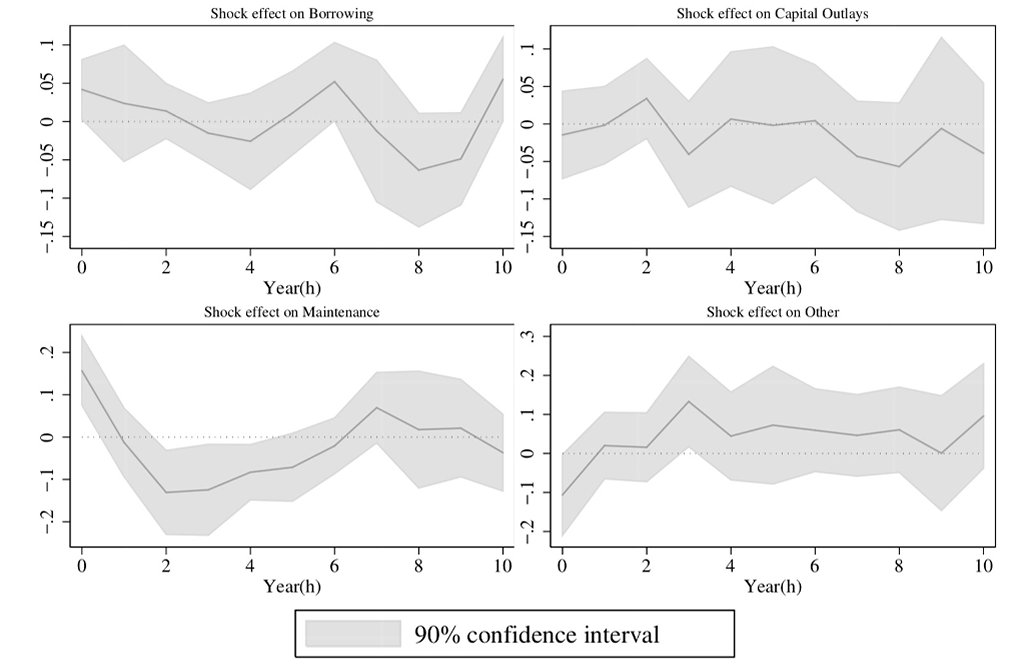
Deferring maintenance expenditures in fiscal downturns can be more costly than accumulating debt or cutting pension contributions. This paper takes advantage of the formulary distribution of Federal highway grants to examine the extent and context of highway maintenance deferral. Since the formula factors used in the apportionment of Federal highway grants are always three years old, I can measure exogenous grant shocks as the difference between this year’s and previous year’s forecast of each state’s future grants. I show that state governments respond to a negative grant shock by cutting highway maintenance expenditures more rapidly than other expenditures. The Impulse Response Functions (IRFs) of maintenance expenditures as a share of total expenditures show that states only partially compensate for the initial cuts in the subsequent periods – deferring maintenance expenditures and accumulating maintenance needs. Furthermore, I find that the deferral of maintenance expenditures is more pronounced in election years, which suggests that this inefficient behavior is subject to agency problems.

Productivity and Quality-of-Life Benefits to Rural Infrastructure
Valuing Public Goods More Generally: The Case of Infrastructure
In-depth writeups on post-training, causal econometrics, cloud architectures, and clean code standards.
Technical writing is currently in draft review. New deep-dives on robotics, agentic runtimes, and clinical reasoning will be published here soon.
Get notified when new research on clinical reasoning, agentic systems, and post-training benchmarks are published. Syndicated across Substack, Beehiiv, and RSS.